

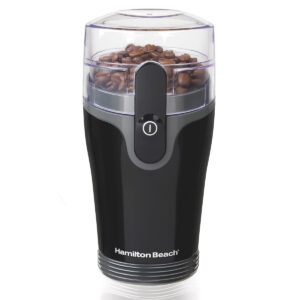
For coffee enthusiasts, the journey to the perfect cup begins long before water touches the beans. Freshly ground coffee delivers flavors and aromas that pre-ground varieties simply cannot match. The good news? You don't need to spend a fortune to elevate your coffee experience. Quality coffee grinders under $50 can deliver impressive results, making specialty coffee accessible to everyone. Here's your comprehensive guide to finding the best budget coffee grinder that won't break the bank.
Why Freshly Ground Coffee Matters
The difference between pre-ground and freshly ground coffee is remarkable. Coffee beans begin losing flavor within minutes of grinding as volatile aromatic compounds escape and oils oxidize. When you grind beans immediately before brewing, you capture the full spectrum of flavors—from bright citrus notes to deep chocolate undertones. Even an inexpensive grinder brewing fresh grounds will produce better coffee than premium pre-ground beans, making a budget grinder one of the best investments you can make in your coffee routine.
Understanding Grinder Types Under $50
In the budget category, you'll encounter two main types of grinders, each with distinct characteristics.
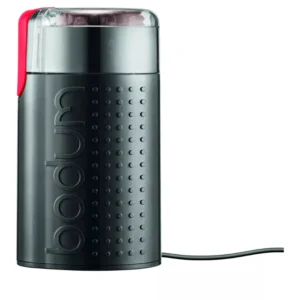
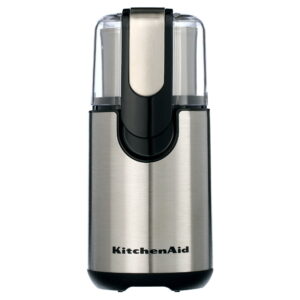
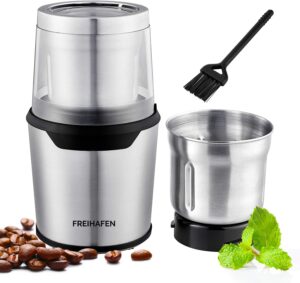
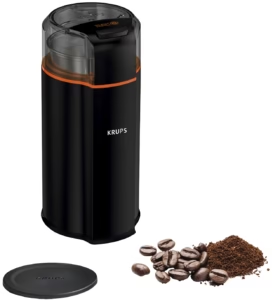
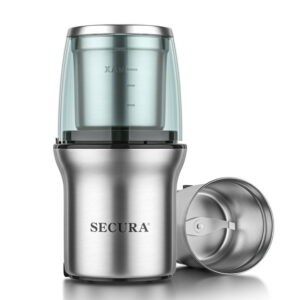
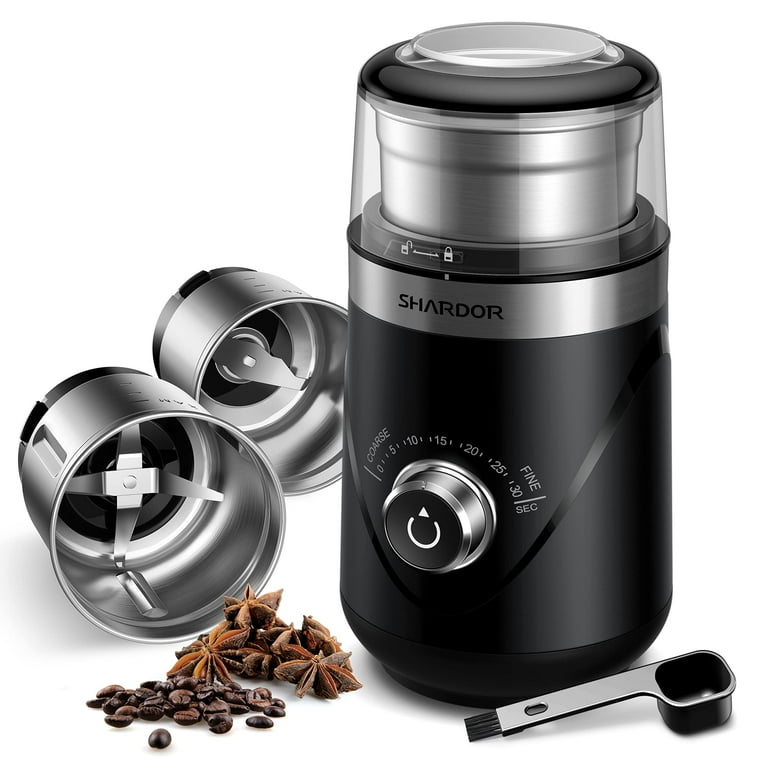
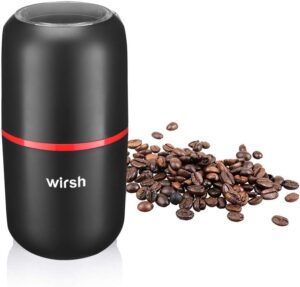
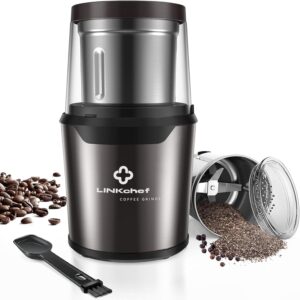
Blade Grinders represent the most affordable option, typically priced between $15 and $30. These work like a blender, using spinning blades to chop coffee beans. While they create inconsistent particle sizes—some fine powder mixed with larger chunks—they're perfectly adequate for drip coffee makers and French press. Blade grinders are compact, easy to clean, and straightforward to operate. For beginners or casual coffee drinkers, they offer an excellent entry point into fresh grinding without significant investment.
Manual Burr Grinders have surged in popularity among budget-conscious coffee lovers. Priced between $20 and $50, these hand-operated grinders use burrs (two revolving abrasive surfaces) to crush beans uniformly. The manual operation means no electricity costs and ultimate portability—perfect for camping, travel, or small kitchens. While they require physical effort, most can grind enough beans for 1-2 cups in under a minute. The consistency rivals electric grinders costing several times more, making manual burr grinders the best choice for those serious about coffee quality on a budget.
Electric Burr Grinders occasionally appear in the under-$50 range, though options are limited. These combine the convenience of electric operation with the consistency of burr grinding, but at this price point, durability and grind uniformity may not match pricier models.
What to Expect at This Price Point
Setting realistic expectations helps you make informed decisions. Budget grinders under $50 deliver impressive value but have limitations compared to premium models.
Grind Consistency varies significantly. Manual burr grinders in this range produce surprisingly uniform grounds suitable for most brewing methods. Blade grinders create more inconsistent particles, which can lead to uneven extraction—some grounds over-extracted (bitter) while others under-extracted (sour). For everyday drip coffee or French press, this inconsistency is barely noticeable. For espresso or pour-over methods requiring precision, you'll see limitations.
Durability at this price point typically means plastic construction rather than metal. Components may wear faster with heavy daily use, but with reasonable care, budget grinders often last 2-4 years. Burr grinders generally outlast blade models since blades can dull over time.
Grind Settings range from none (blade grinders with timing-based control) to 10-15 settings (manual burr grinders). More settings provide flexibility for different brewing methods, though you may not need dozens of adjustments if you stick to one or two brewing styles.
Capacity usually ranges from 30-70 grams, enough for 2-6 cups of coffee. This suits most home users perfectly, though large households or entertaining scenarios might require multiple grinding sessions.
Best Uses for Budget Grinders
Understanding where budget grinders excel helps you match the right tool to your needs.
Drip Coffee Makers work beautifully with budget grinders of any type. The medium grind required is easy to achieve consistently, and the forgiving brewing method doesn't expose inconsistencies. Whether using a blade or burr grinder, you'll notice significant improvement over pre-ground coffee.
French Press coffee benefits from coarse, uniform grounds. Manual burr grinders excel here, producing consistent coarse grinds that prevent sediment in your cup. Even blade grinders work reasonably well with short bursts to avoid over-grinding.
Pour-Over Methods like Chemex or V60 show more variation. Manual burr grinders under $50 can produce acceptable results with medium-fine grinds, though you may need to experiment with grind settings. Blade grinders struggle here since inconsistent particle sizes lead to uneven extraction.
Cold Brew requires coarse, uniform grounds for long steeping times. Budget burr grinders handle this perfectly, while blade grinders need careful attention to avoid creating too many fine particles that make cold brew bitter.
Espresso represents the biggest challenge for budget grinders. True espresso requires extremely fine, uniform grounds with precise consistency. Most grinders under $50 cannot achieve this level of precision. However, if you use a pressurized portafilter basket (common in budget espresso machines), even blade grinders can produce acceptable results.
Key Features to Consider
When shopping for a budget coffee grinder, prioritize these essential features.
Grind Adjustment offers crucial flexibility. Manual burr grinders typically provide stepped adjustments—distinct settings you can feel clicking into place. This makes repeating your preferred grind size easy. Blade grinders rely on timing, which is less precise but workable with practice.
Capacity should match your daily consumption. If you brew a single cup each morning, 30-40 gram capacity suffices. Households brewing multiple cups need 50-70 gram capacity to avoid repeated grinding sessions.
Material Quality directly impacts longevity. Look for stainless steel burrs in manual grinders, as they last longer than ceramic alternatives at this price point. For blade grinders, stainless steel blades resist dulling better than cheaper metals.
Ease of Cleaning varies dramatically between models. Blade grinders are simplest—wipe out the chamber and blade. Manual burr grinders require occasional disassembly to remove trapped grounds and oils. Look for models with removable burrs for thorough cleaning.
Static and Retention affect your grinding experience. Budget grinders often generate static electricity that makes grounds cling to the container. Some retention (grounds trapped inside) is normal, typically 0.5-2 grams. While annoying, these minor inconveniences are manageable at this price point.
Manual vs. Electric: Making the Choice
The decision between manual and electric operation depends on your lifestyle and priorities.
Choose Manual Burr Grinders if you value grind consistency above convenience, enjoy the ritual of hand-grinding as part of your coffee routine, want ultimate portability for travel or camping, have a small kitchen with limited counter space, or prefer quiet operation that won't wake sleeping household members. Manual grinding takes 30-90 seconds depending on quantity and grind fineness, providing a meditative start to your morning.
Choose Blade Grinders if convenience is your top priority, you primarily use a drip coffee maker or French press, you're on the tightest budget (under $25), you need to grind large quantities quickly, or physical limitations make hand-grinding difficult. Electric blade grinders complete grinding in 10-20 seconds with the press of a button.
Getting the Most from Your Budget Grinder
Maximizing performance from an affordable grinder requires understanding its strengths and working within limitations.
For Blade Grinders, pulse rather than holding the button continuously. Use 1-2 second pulses with shaking between pulses to ensure even grinding. Stop before grounds become powdery—coarser is better than too fine for most methods. Grind only what you'll brew immediately, as blade grinders generate more heat that can affect flavor. Clean after every few uses by wiping with a dry cloth to prevent oil buildup that can cause rancid flavors.
For Manual Burr Grinders, establish your baseline grind setting for your primary brewing method, then adjust finer or coarser as needed. Use consistent pressure and speed when cranking—steady, smooth rotation produces better results than fast, jerky movements. Clean weekly by brushing out trapped grounds and monthly by fully disassembling for deep cleaning. Empty the chamber before adjusting grind settings to avoid jamming the burrs.
Realistic Performance Expectations
Understanding what budget grinders can and cannot do prevents disappointment and helps you brew better coffee.
A quality manual burr grinder under $50 produces grounds comparable to electric burr grinders costing $100-150, with the tradeoff being manual effort. The consistency is sufficient for excellent drip coffee, French press, cold brew, and decent pour-over. Blade grinders under $30 produce adequate grounds for drip and French press but struggle with methods requiring precision.
Neither budget option truly excels at espresso unless paired with pressurized portafilters. The inconsistency doesn't ruin coffee—it simply means your cup won't reach the heights of grinders costing $200-500. For most coffee drinkers, the improvement over pre-ground coffee is so dramatic that minor inconsistencies are irrelevant.
Brand Considerations in the Budget Range
Several brands consistently deliver reliable budget grinders.
Hario from Japan produces excellent manual burr grinders, particularly their Skerton and Mini Mill models. Known for quality construction and consistency, Hario grinders typically range from $30-50 and enjoy loyal followings among coffee enthusiasts.
Porlex offers premium manual grinders occasionally found under $50 on sale. Their stainless steel construction and smooth grinding action make them favorites for travelers and minimalists.
JavaPresse provides solid manual burr grinders with adjustable settings, usually priced around $25-35. They offer excellent value for those new to manual grinding.
Krups and Hamilton Beach dominate the electric blade grinder market with reliable, inexpensive options between $15-30. While not fancy, they perform their basic function dependably.
Mr. Coffee offers simple blade grinders often priced under $20, making them the most affordable entry point into fresh grinding.
When to Upgrade Beyond Budget Grinders
Budget grinders serve most coffee lovers perfectly, but certain situations warrant considering an upgrade.
If you've developed a passion for espresso and want to move beyond pressurized baskets, you'll need a grinder costing $150 or more for proper consistency. When brewing multiple methods daily and finding constant grind adjustments frustrating, programmable electric grinders offer convenience. If your budget grinder breaks repeatedly or you're grinding for multiple people daily, investing in a more durable model makes sense.
That said, many coffee lovers use budget grinders for years with complete satisfaction. Don't feel pressured to upgrade if your current grinder meets your needs—the best grinder is the one you'll actually use consistently.
The Coffee Math: Value Analysis
Consider the value proposition of investing in even a modest grinder. A $25 blade grinder brewing fresh grounds costs about $5 per year over five years. The improvement in coffee quality easily justifies this minimal investment. Compare this to buying pre-ground specialty coffee at inflated prices or purchasing daily coffee shop drinks.
A $40 manual burr grinder producing café-quality coffee at home saves money compared to coffee shop visits. If you typically spend $4 on a daily latte, brewing at home saves roughly $1,200 annually. Even factoring in quality beans and equipment, your grinder pays for itself in weeks.
Environmental and Practical Benefits
Budget grinders offer advantages beyond coffee quality. Manual grinders require no electricity, reducing your environmental footprint and utility bills. They're quiet, making early morning grinding possible without disturbing others. Their compact size suits small kitchens, dorms, or RVs perfectly.
The durability of burr mechanisms means less waste compared to disposable solutions. With simple maintenance, these grinders can last years, keeping them out of landfills. Grinding only what you need also reduces coffee waste compared to opened bags of pre-ground coffee that go stale.
Final Thoughts
The best coffee grinder under $50 is the one that matches your brewing method, lifestyle, and priorities. Manual burr grinders offer unbeatable consistency and portability for those willing to put in a minute of effort. Blade grinders provide push-button convenience for casual coffee drinkers primarily using drip makers or French press.
Regardless of which budget option you choose, you're making a transformative investment in your daily coffee experience. The difference between pre-ground and freshly ground beans is profound—brighter flavors, richer aromas, and more satisfying cups. For less than the cost of a few coffee shop visits, a budget grinder unlocks the world of specialty coffee at home, proving that great coffee doesn't require expensive equipment, just fresh beans and the simple act of grinding them yourself.