
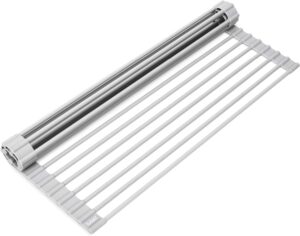
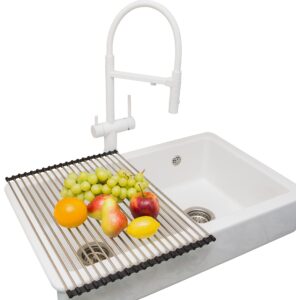

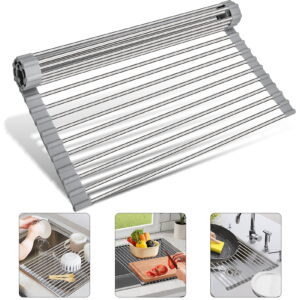
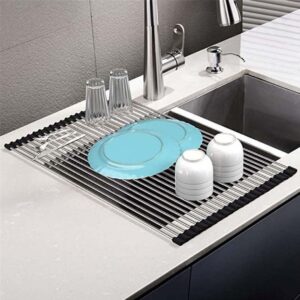

In modern kitchens where counter space is precious, innovation often comes in the form of simple yet brilliant solutions. The roll-up over-the-sink dish drying rack represents exactly this kind of ingenuity—a space-saving marvel that transforms your sink into a functional drying area, prep station, and cooling rack all in one. Whether you're living in a compact apartment, an RV, or simply want to maximize your kitchen's efficiency, these versatile racks have become essential tools for smart cooking and cleaning.
Why Roll-Up Sink Racks Are Game-Changers
Traditional dish racks occupy valuable counter space, collect water underneath, and often become permanent fixtures that clutter your workspace. Roll-up over-the-sink racks solve all these problems elegantly. When you need them, they expand across your sink providing instant drying space. When you're done, they roll up into a compact tube that stores in a drawer, taking up less room than a cutting board.
The benefits extend far beyond dish drying. These multipurpose racks serve as cooling surfaces for baked goods, letting air circulate underneath cookies or cakes. They function as colanders for rinsing fruits and vegetables, allowing water to drain directly into the sink. They create temporary workspace for food prep when counter space is tight. They even protect your sink from scratches when washing pots and pans or defrosting frozen items.
For small kitchens, RVs, dorm rooms, or anyone who values flexibility, roll-up sink racks represent one of the smartest investments you can make. They typically cost between $10 and $30, making them accessible to virtually any budget while delivering daily value that far exceeds their modest price.
Understanding Construction and Materials
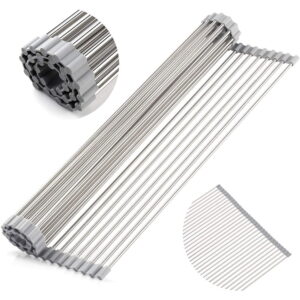
The quality of a roll-up sink rack depends heavily on its construction materials and design. Most premium models combine stainless steel rods with silicone edges, creating the ideal balance of durability, heat resistance, and sink protection.
Stainless steel rods form the rack's core structure. Look for 304 stainless steel, which resists rust and corrosion even with constant water exposure. The rods should be substantial—at least 5mm in diameter—to support heavier items without bending. Some budget models use thinner rods that sag under weight or cheaper metals that rust quickly. Quality stainless steel maintains its appearance and function for years.
Silicone-coated edges serve multiple crucial functions. They grip your sink's edges to prevent the rack from sliding during use. They protect your sink's finish from scratches and damage. They provide heat resistance up to 400°F or more, allowing you to place hot pots directly on the rack. Food-grade silicone ensures safety when using the rack for food preparation. The silicone should be thick and durable, not thin coating that peels off after a few months.
Design variations include tightly spaced rods for small items like utensils versus wider spacing for plates and bowls. Some models feature alternating thicker and thinner rods, providing versatility for different dish sizes. The best designs balance spacing to accommodate various items without letting smaller objects fall through.
Size Matters: Finding the Right Fit
Roll-up racks come in various sizes to accommodate different sink dimensions. Measure your sink carefully before purchasing to ensure proper fit.
Standard sizes typically range from 17 to 20 inches in length and 10 to 13 inches in width. These fit most average kitchen sinks comfortably. The rack should span your sink with at least an inch of overlap on each side for stability. Too small and it won't sit securely; too large and it won't fit your sink opening.
Adjustable length models solve sizing challenges with removable end rods. These versatile options accommodate sinks ranging from small prep sinks to large farmhouse styles. While slightly more expensive, adjustable racks provide flexibility if you move or want to use them across multiple sinks.
Weight capacity varies significantly between models. Budget racks typically support 10-15 pounds, adequate for dishes but not heavy cast iron cookware. Premium models handle 20-30 pounds or more, allowing you to place multiple pots or a fully loaded baking sheet without concern. Consider your typical dish load when evaluating capacity.
Multipurpose Uses Beyond Dish Drying
The versatility of roll-up sink racks extends their value far beyond their primary function.
Food Preparation becomes easier with a clean, elevated surface directly over your sink. Rinse vegetables and let them drain immediately. Trim meats with juices dripping directly into the sink. Defrost frozen items without creating counter puddles. The rack keeps your workspace clean and organized while reducing cleanup time.
Baking and Cooking applications include cooling freshly baked cookies, cakes, or bread with air circulating underneath for even cooling. Some cooks use them as makeshift steamers, placing food above boiling water in the sink. Others drain fried foods, letting excess oil drip away. Heat-resistant silicone edges allow you to place hot pans directly from the oven.
Produce Washing and Storage becomes streamlined. Rinse large quantities of fruits or vegetables, letting water drain continuously. The elevation allows dirt and debris to fall through into the sink rather than sitting in standing water. Some users store frequently used produce like potatoes or onions on the rack for air circulation that extends freshness.
Pot and Pan Protection prevents scratches when washing large cookware in the sink. Place delicate items on the rack while scrubbing heavier pieces underneath. The soft silicone protects both your cookware and sink surface from damage during vigorous cleaning.
Drying Delicate Items like wine glasses, baby bottles, or hand-wash only dishes works perfectly. The open design allows air circulation from all sides, speeding drying while keeping delicate items safely separated and visible.
Key Features to Look For
When evaluating roll-up sink racks, certain features distinguish excellent products from mediocre ones.
Rod Thickness and Spacing dramatically affect functionality. Rods measuring 5-6mm in diameter provide the best balance of strength and flexibility. Spacing between 0.5 to 0.75 inches accommodates most dishes while preventing small items from falling through. Some premium models feature varying rod thicknesses—thicker rods at intervals provide extra support while thinner rods between them catch smaller items.
Silicone Quality separates long-lasting racks from those that deteriorate quickly. Premium food-grade silicone resists staining, cracking, and odor absorption. It should feel substantial and grippy, not thin or slippery. Check that silicone covers the ends completely and extends far enough to protect your sink adequately. Some models include silicone strips along the entire length for added grip and protection.
Roll-Up Mechanism should feel smooth and natural. Quality racks roll tightly into compact cylinders without forcing. The rods should maintain their alignment when rolled, not twist or tangle. After rolling and unrolling hundreds of times, the rack should still function smoothly without permanent bends or warping.
Heat Resistance varies between models. Most quality racks withstand temperatures up to 400-450°F, suitable for placing hot pots and pans directly from the stove or oven. Lower-quality silicone may melt or warp at high temperatures. Check manufacturer specifications if you plan to use the rack with hot cookware regularly.
Non-Slip Features prevent the rack from sliding during use. Beyond silicone edges, some models include rubber feet or textured surfaces that increase friction. The rack should feel stable even when supporting heavy, wet dishes or when you're applying pressure during food prep.
Easy Cleaning is essential for kitchen tools. The best racks are dishwasher safe, making cleanup effortless. Even if hand-washing, the open design of quality racks allows thorough cleaning without trapped food particles or moisture that could promote bacterial growth.
Common Problems and How to Avoid Them
Understanding potential issues helps you choose wisely and use your rack effectively.
Sagging Under Weight occurs with poorly constructed racks using thin rods or inferior materials. This not only looks unsightly but can allow dishes to slide into the sink. Avoid this by choosing racks with substantial rod thickness and verified weight capacity ratings. Check customer reviews for reports of sagging.
Rust and Corrosion shouldn't happen with true 304 stainless steel but appear quickly with cheaper metals. Some manufacturers falsely claim stainless steel construction while using coated carbon steel that rusts when the coating chips. Look for specific "304 stainless steel" or "18/8 stainless steel" designations, and check reviews for rust complaints.
Silicone Degradation includes peeling, cracking, or hardening over time. Low-quality silicone deteriorates rapidly, especially with dishwasher use or heat exposure. Premium silicone maintains flexibility and appearance for years. If possible, feel the silicone before buying—it should feel substantial and slightly grippy, not thin or sticky.
Unpleasant Odors can develop if water becomes trapped in hollow rods or if low-quality materials absorb food odors. Solid stainless steel rods eliminate this issue. Proper drying after each use prevents moisture-related problems. Food-grade silicone resists odor absorption better than cheaper alternatives.
Size Mismatch is completely avoidable with proper measurement. Measure your sink's opening carefully, accounting for any rim or ledge the rack will rest upon. If your sink has an unusual shape or size, consider adjustable-length models.
Maintenance and Care for Longevity
Proper care ensures your roll-up rack remains functional and hygienic for years.
Daily Maintenance requires minimal effort. After each use, shake off excess water and hang the rack to dry completely before rolling and storing. This prevents moisture from being trapped when rolled, which could promote bacterial growth or cause odors. If you use the rack daily, consider keeping it unrolled across your sink rather than storing it, eliminating rolling wear.
Regular Cleaning depends on usage. For dish drying only, weekly washing suffices. When used for food prep, clean after each use. Most quality racks are dishwasher safe—simply roll loosely and place in the silverware basket or lay across the top rack. For hand washing, use dish soap and a soft brush to clean between rods, then rinse thoroughly and air dry completely.
Deep Cleaning every month or two keeps your rack pristine. Soak in warm water with dish soap or a mixture of white vinegar and water to remove any buildup. For stubborn residue, make a paste of baking soda and water, scrub gently, then rinse thoroughly. Avoid abrasive scrubbers that could damage the silicone coating.
Storage Considerations affect longevity. Store rolled racks in a dry drawer or cabinet. Ensure they're completely dry before rolling to prevent mildew. Some users secure rolled racks with a rubber band to maintain their compact shape. Avoid storing heavy items on top of rolled racks, which could cause permanent bends.
Inspection and Replacement should occur periodically. Check for rust spots, damaged silicone, bent rods, or weakened structure. Most quality racks last 3-5 years with proper care. Replace your rack when it shows significant wear to maintain hygiene and functionality.
Style and Aesthetic Considerations
While functionality takes priority, these racks are often visible in your kitchen, making appearance worth considering.
Color Options typically include standard stainless steel silver, black silicone edges, or colored silicone in shades like red, blue, or green. Neutral stainless and black match virtually any kitchen décor. Colored options can coordinate with your kitchen's color scheme or add a pop of personality.
Finish Quality affects appearance. Brushed stainless steel hides minor scratches and maintains a refined look longer than polished finishes that show every mark. The silicone edges should have a uniform, professional appearance without visible seams, bubbles, or imperfections.
Compact Storage appeals to minimalists. These racks roll into cylinders roughly 2-3 inches in diameter and 10-20 inches long—smaller than most cutting boards. This space efficiency makes them ideal for kitchens where every inch counts.
Price Versus Value Analysis
Roll-up sink racks span a modest price range with important quality differences.
Budget Options ($10-15) provide basic functionality but often use thinner rods, lower-grade stainless steel, and minimal silicone coverage. These work fine for light use—occasional dish drying or simple food prep. They may last 1-2 years before showing wear. For infrequent users or those testing whether they'll use such a product, budget options offer a low-risk entry point.
Mid-Range Models ($15-25) represent the sweet spot for most users. These typically feature genuine 304 stainless steel, substantial silicone edges, proper rod thickness, and reliable construction. They balance affordability with durability, often lasting 3-5 years with regular use. Most top-rated models fall into this category, offering excellent value.
Premium Options ($25-35) provide maximum durability with thickest rods, highest-grade materials, and additional features like adjustable length or extra-wide coverage. These suit heavy daily use, larger sinks, or users who regularly place heavy cookware on the rack. The investment pays off through extended lifespan and superior performance.
Special Considerations for Different Living Situations
Your specific circumstances influence which rack works best.
Small Apartments and Studio Kitchens benefit tremendously from roll-up racks. Limited counter space makes traditional dish racks impractical. A roll-up rack provides drying space when needed without permanently consuming workspace. Choose a size matching your smaller sink and prioritize compact storage.
RV and Camper Kitchens present unique challenges—small sinks, minimal storage, and mobile conditions. Roll-up racks solve all three issues. Look for models with extra-grippy silicone to stay secure during travel. The multipurpose nature means one tool serves many functions, crucial when space and weight matter.
College Dorms often feature tiny kitchenettes with minimal equipment. A roll-up rack provides dish drying, food prep space, and cooling rack functionality in one affordable, compact package. Dishwasher-safe models simplify cleaning in shared spaces.
Large Family Kitchens can use roll-up racks as supplemental drying space during big cooking sessions or holidays. Choose larger, high-capacity models that can handle heavy loads. Some families use multiple racks simultaneously for extra-large dish loads.
Rental Properties make permanent modifications inadvisable. Roll-up racks provide functionality without installation, leaving no marks or damage when you move. This flexibility appeals to renters who want optimized kitchens without modifications.
Environmental and Practical Benefits
Beyond convenience, these racks offer sustainability advantages.
Reduced Paper Towel Use occurs when you have convenient drying space. Rather than towel-drying dishes or produce, let items air-dry naturally. This small change eliminates waste and saves money over time.
Water Conservation happens when the rack doubles as a colander. Rinse produce directly over the sink without filling a separate bowl. The immediate drainage eliminates water sitting unused in containers.
Longevity means less waste. A quality rack lasting 5 years prevents multiple cheaper alternatives from reaching landfills. Stainless steel is fully recyclable at end of life, unlike plastic dish racks that often end up as waste.
Energy Efficiency comes from air-drying dishes rather than using heated dry cycles in dishwashers. For items that can't go in the dishwasher, the rack provides efficient drying without appliance energy use.
Final Thoughts
Roll-up over-the-sink dish drying racks represent remarkable value and versatility in a simple, affordable package. They solve multiple kitchen challenges simultaneously—limited counter space, inadequate drying areas, and lack of flexible work surfaces. Whether you're outfitting a tiny apartment kitchen, upgrading your RV, or simply seeking to maximize efficiency in your home, these ingenious racks deliver daily benefits far exceeding their modest cost.
The best rack for you depends on your sink size, typical usage, and budget. Measure carefully, prioritize quality materials like 304 stainless steel and substantial silicone, and read reviews from users with similar needs. Whether you choose a basic model or a premium option, you're investing in a tool that will streamline your kitchen routine, save counter space, and prove its worth countless times. In the realm of kitchen innovations, roll-up sink racks stand out as one of the simplest yet most effective solutions available—proof that brilliant design doesn't require complexity, just smart thinking about everyday challenges.