
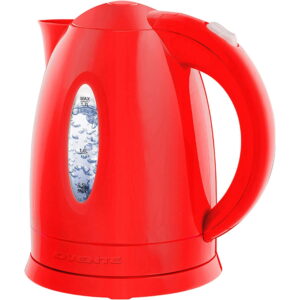
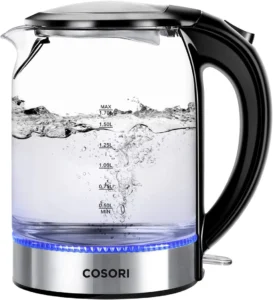
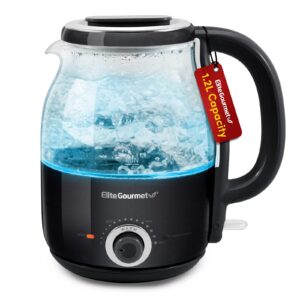
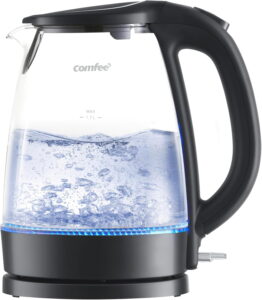
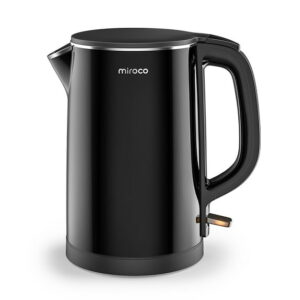
In an age where health-conscious consumers scrutinize every product that touches their food and beverages, the humble electric kettle has come under increased examination. BPA—bisphenol A—is a chemical compound found in many plastics that can leach into hot liquids, potentially disrupting hormones and causing other health concerns. As awareness grows, the demand for BPA-free electric kettles has surged, with manufacturers responding by creating safer alternatives that don't compromise on performance or style. Here's your comprehensive guide to finding the best BPA-free electric kettles that prioritize your health without sacrificing convenience.
Understanding BPA and Why It Matters
BPA is an industrial chemical used since the 1960s to make certain plastics and resins. It's found in polycarbonate plastics and epoxy resins that line metal products like food cans. Research has raised concerns about BPA's potential health effects, particularly its ability to mimic estrogen in the body. Studies suggest possible links to reproductive issues, cardiovascular problems, diabetes, and developmental concerns in children.
The risk increases when BPA-containing materials contact hot liquids. Heat accelerates the leaching process, causing more BPA to transfer into your water or tea. Since electric kettles repeatedly heat water to boiling temperatures, any BPA in their construction poses ongoing exposure risk. This makes choosing a truly BPA-free kettle especially important for daily hot beverage consumers.
However, understanding "BPA-free" requires nuance. Some manufacturers replace BPA with similar chemicals like BPS (bisphenol S) or BPF (bisphenol F), which may pose similar health concerns. The safest kettles eliminate all questionable plastics entirely, using materials like stainless steel, glass, or ceramic for any surface that contacts water.
Materials That Matter: What to Look For
When shopping for a genuinely safe electric kettle, the materials used in construction determine actual safety beyond marketing claims.
Stainless Steel represents the gold standard for BPA-free kettles. Food-grade 304 stainless steel is non-reactive, doesn't leach chemicals, and withstands repeated heating without degradation. The entire interior should be stainless steel—look for kettles where no plastic touches the water during heating. Quality stainless steel kettles last years without corroding or affecting water taste. They're durable, easy to clean, and completely safe for boiling water repeatedly.
Borosilicate Glass offers another excellent BPA-free option. This heat-resistant glass withstands thermal shock from repeated heating and cooling. Glass kettles provide the advantage of visibility—you can watch water boil and easily assess cleanliness. They don't impart any flavors or chemicals to water, ensuring the purest taste. The aesthetic appeal of illuminated glass kettles adds beauty to your kitchen. However, glass is more fragile than steel, requiring careful handling.
Ceramic-Lined Kettles feature stainless steel exteriors with ceramic interiors. The ceramic coating provides a completely inert surface that won't leach anything into your water. These kettles often come in attractive colors and maintain temperature well. Ensure the ceramic coating is high-quality and properly sealed to prevent chipping.
What to Avoid includes kettles with plastic interiors, plastic water-level windows that contact water, plastic spouts or lids that touch hot water or steam, and kettles that don't specifically state which grade of stainless steel they use. Some kettles claim BPA-free status but use other questionable plastics in contact areas. Scrutinize product descriptions and reviews to verify materials actually used.
Essential Safety Features Beyond BPA-Free
A truly safe kettle encompasses more than just BPA-free materials. Comprehensive safety features protect you during daily use.
Automatic Shut-Off is non-negotiable. This feature turns the kettle off immediately when water reaches boiling point, preventing over-boiling and potential hazards. Quality kettles shut off within seconds of boiling, not minutes later. This safety measure prevents dry boiling if you forget about the kettle, protecting both the appliance and your home.
Boil-Dry Protection detects when the kettle operates without water and automatically shuts off. This prevents element damage, fire hazards, and toxic fumes from overheated materials. Even the safest materials can emit concerning odors or degrade when heated empty.
Cool-Touch Exterior prevents burns during operation. Stainless steel kettles can become extremely hot; better models feature double-wall construction or insulated exteriors that remain touchable even when water is boiling inside. This matters especially in households with children or when placing the kettle on shared surfaces.
Secure Lid Locking prevents accidental spills of boiling water. The lid should lock firmly in place during pouring and release easily when desired. Some kettles feature push-button lids that open with one hand while staying securely closed otherwise.
Stable Base with anti-slip feet prevents tipping. The kettle should sit firmly on its base with no wobbling. The handle should provide balanced weight distribution when full, making safe pouring natural and comfortable.
Concealed Heating Element sits below the kettle floor rather than exposed in the water. This design prevents mineral buildup directly on the element, extends kettle life, and eliminates one more surface area where questionable materials might exist.
Capacity Considerations for Different Households
Electric kettles range from compact 0.5-liter models to large 1.8-liter capacity options. Choosing the right size affects both convenience and energy efficiency.
Small Capacity (0.5-1.0 liters) suits individuals or couples who typically boil one or two cups at a time. These kettles heat quickly due to smaller volume, use less energy per heating cycle, and take minimal counter space. They're ideal for small kitchens, offices, or travel. However, they require refilling for larger gatherings or multiple consecutive cups.
Medium Capacity (1.2-1.5 liters) represents the sweet spot for most households. They boil enough water for 4-5 cups, accommodate small family needs or entertaining a few guests, and balance heating time with capacity. Most quality BPA-free kettles fall into this category, offering the best selection of features and styles.
Large Capacity (1.7-1.8 liters) serves bigger families or frequent entertainers. These kettles boil enough for 6-8 cups, reduce the need for multiple heating cycles when serving groups, and work well for filling large teapots or French presses. The tradeoff is longer boiling time and more energy consumption even when you need just one cup.
Consider your typical usage patterns. If you usually boil water multiple times daily for single servings, a smaller kettle saves energy and time. If you regularly make tea for family or guests, larger capacity justifies the slightly longer heating time.
Temperature Control: Precision for Perfect Beverages
Advanced BPA-free kettles offer variable temperature settings, elevating your hot beverage experience from adequate to exceptional.
Why Temperature Matters becomes clear when you understand that different beverages require specific temperatures for optimal flavor. Green tea tastes best at 160-180°F; higher temperatures make it bitter. White tea needs even lower temperatures around 160-170°F. Oolong tea prefers 185-195°F. Black tea and herbal teas handle full boiling at 208-212°F. Coffee brewing varies but generally works best at 195-205°F. French press coffee specifically benefits from 200°F water. Baby formula requires precise temperatures around 98.6°F for safety.
Preset Temperature Settings in quality kettles typically include options for 160°F, 175°F, 185°F, 195°F, and 212°F (boiling). Some models offer even more granular control with 5-10 degree increments. The kettle heats to the selected temperature then holds it steady, often with a "keep warm" function maintaining temperature for 20-30 minutes.
Digital Displays show current water temperature and target temperature clearly. This allows you to monitor heating progress and confirm water has reached the desired level. Some advanced models include countdown timers or notifications when your water is ready.
Manual Temperature Control in premium models lets you set any temperature within the range, not just presets. This flexibility benefits serious tea enthusiasts or those with specific requirements like preparing baby bottles at exact temperatures.
For health-conscious consumers, temperature control serves another purpose beyond flavor. You can heat water to sufficient temperatures for sanitization (165°F+) without necessarily reaching a full boil, saving energy when lower temperatures suffice for your purpose.
Speed and Energy Efficiency
The best BPA-free kettles balance rapid heating with energy conservation.
Wattage directly affects boiling speed. Most quality electric kettles operate at 1200-1500 watts. Higher wattage means faster boiling—a 1500W kettle typically boils a full liter in 3-4 minutes, while 1000W models take 5-6 minutes. However, higher wattage doesn't necessarily mean higher energy consumption if the kettle heats efficiently and shuts off promptly.
Energy Efficiency comes from quick heating, accurate shut-off, good insulation, and appropriate sizing. A kettle that boils water quickly then shuts off completely uses less energy than one that takes longer or continues drawing power after boiling. Double-wall kettles retain heat longer, reducing the need to reheat water if you want a second cup shortly after the first.
Comparative Efficiency shows electric kettles outperform stovetops significantly. Electric kettles are approximately 80% efficient at converting electricity to heat, while gas stovetops are only about 40% efficient and electric stovetops around 70% efficient. This means your electric kettle uses less energy and heats faster than boiling water in a pot on your stove.
Smart Usage maximizes efficiency. Only boil the amount of water you need—most kettles have minimum fill lines around 0.5 liters. Descale regularly to maintain heating efficiency, as mineral buildup insulates the element, forcing it to work harder. Use temperature control to avoid over-boiling when lower temperatures suffice.
Design and Usability Features
Beyond core functionality, thoughtful design details significantly impact daily satisfaction with your BPA-free kettle.
Spout Design affects pouring control and drip prevention. Precision gooseneck spouts popular with coffee enthusiasts provide excellent control for pour-over brewing. Wide spouts work well for general use and tea making. The best spouts pour smoothly without dribbling, directing water exactly where you want it. Some designs include removable filters in the spout to catch any scale particles or tea leaves.
Handle Ergonomics determine comfort and safety. The handle should provide secure grip with natural hand positioning. Cool-touch handles remain comfortable even when the kettle is hot. Consider handle placement—side handles versus rear handles affect balance differently. Some handles feature soft-grip materials for added comfort and security.
Water Level Indicators should be clearly visible and accurate. Stainless steel kettles often have indicators on the handle or exterior since you can't see through the walls. Glass kettles show water level naturally. Look for indicators marked in both cups and liters for convenience.
Cord Storage keeps your counter tidy. Quality kettle bases include cord wrap features that let you adjust cord length to your needs and store excess neatly. Some models feature 360-degree swivel bases that allow the kettle to be placed from any angle, convenient for left and right-handed users.
Noise Level varies between models. All kettles make noise when boiling, but some are noticeably quieter. If you frequently boil water early morning or late evening when others are sleeping, quieter operation matters. Customer reviews often mention noise levels when they're particularly loud or pleasantly quiet.
Ease of Cleaning affects long-term satisfaction. Wide openings allow easy hand access for cleaning and descaling. Removable lids provide better access than hinged lids. Smooth interiors without crevices prevent buildup and simplify maintenance. Dishwasher-safe removable parts are convenient for filters and some lids.
Understanding Build Quality and Durability
The longevity of your BPA-free kettle depends on construction quality and materials.
Gauge of Stainless Steel affects durability. Thicker steel resists denting and maintains shape better but costs more and adds weight. Premium kettles use 0.5-0.8mm thick stainless steel, balancing durability with reasonable weight. Thinner steel may dent more easily but functions fine with careful handling.
Weld Quality matters in stainless steel kettles. Smooth, even welds indicate quality manufacturing. Rough or uneven welds may develop leaks over time. Examine the interior—properly manufactured kettles have clean welding with no sharp edges or gaps.
Base and Element Construction determines reliability. Quality heating elements are securely attached with proper insulation. The base should feel substantial and stable, not flimsy. Better kettles use robust connection mechanisms between the kettle and base that withstand repeated placement and removal.
Glass Thickness in glass kettles affects both safety and longevity. Borosilicate glass should be at least 3-4mm thick. Thicker glass resists thermal stress better and is less prone to cracking from minor bumps. High-quality glass remains clear even after years of use, while cheaper glass may develop cloudiness.
Warranty Coverage reflects manufacturer confidence. Quality BPA-free kettles typically include 1-2 year warranties, with premium models sometimes offering longer coverage. Warranty should cover defects in materials and workmanship. Read the fine print—some warranties exclude specific issues like scale buildup or exclude coverage if you use water beyond certain hardness levels.
Maintenance and Longevity Tips
Proper care extends your BPA-free kettle's life and maintains optimal performance.
Regular Descaling is essential, especially in hard water areas. Mineral deposits reduce efficiency, affect taste, and can damage heating elements over time. Descale monthly or when you notice scale buildup. Use equal parts white vinegar and water, fill the kettle halfway, boil, let sit for 30 minutes, then rinse thoroughly several times. Alternatively, use commercial descaling solutions following package directions.
Daily Cleaning requires minimal effort. Empty the kettle after each use rather than leaving water sitting. Rinse with clean water periodically. For stainless steel kettles, wipe the exterior with a damp cloth to remove fingerprints and water spots. Glass kettles benefit from occasional cleaning with glass cleaner to maintain clarity and shine.
Deep Cleaning every few months keeps your kettle pristine. For stubborn stains or discoloration, make a paste of baking soda and water, apply to interior surfaces, let sit briefly, then scrub gently with a soft brush. Rinse thoroughly. For exteriors, use appropriate cleaners for the material—stainless steel cleaner for steel kettles, glass cleaner for glass models.
Proper Storage when not in use prevents damage. Empty the kettle completely and leave the lid open to air dry thoroughly. This prevents moisture from creating musty odors or promoting mold growth. Store in a dry location away from heat sources. If storing for extended periods, ensure the kettle is completely dry inside.
Usage Best Practices include always filling above the minimum line to protect the heating element, never filling beyond the maximum line to prevent boil-over, using filtered water in hard water areas to reduce scale buildup, and avoiding vigorous shaking when full to prevent wear on the lid mechanism.
Price Ranges and Value Considerations
BPA-free electric kettles span various price points, each offering different value propositions.
Budget Options ($20-40) provide basic BPA-free functionality, typically featuring simple on/off operation with automatic shut-off and basic stainless steel or plastic-free construction. These suit occasional users or those testing whether they'll regularly use an electric kettle. Quality varies significantly in this range—some budget kettles perform reliably for years while others fail quickly. Read reviews carefully and verify true BPA-free construction rather than just marketing claims.
Mid-Range Models ($40-80) represent the best value for most consumers. These typically include quality stainless steel or glass construction, variable temperature settings, keep-warm functions, and thoughtful design details. They balance features with affordability, often lasting 5+ years with proper care. Most households find their ideal kettle in this range, getting premium features without luxury pricing.
Premium Kettles ($80-150+) offer top-tier construction, advanced features, and exceptional design. Expect precision temperature control with one-degree increments, premium materials like thick borosilicate glass or heavy-gauge stainless steel, longer warranties of 2-3 years, superior build quality ensuring 10+ year lifespan, and aesthetic design that serves as kitchen centerpiece. These suit serious tea and coffee enthusiasts, health-conscious consumers wanting the absolute safest materials, and those who value appliances lasting decades rather than years.
Long-Term Value calculation should consider cost per year of use. A $100 kettle lasting 10 years costs $10 annually, while a $30 kettle replaced every 2 years costs $15 annually. Factor in features you'll actually use—if you drink only black tea and coffee, variable temperature control adds cost without benefit. If you're a green tea enthusiast, temperature precision transforms your daily experience.
Red Flags and What to Avoid
Knowing warning signs helps you avoid kettles with hidden problems or misleading claims.
Vague Material Claims like "BPA-free plastic" without specifying alternatives should raise concerns. If the manufacturer won't specify exactly what materials they use, assume they're hiding something. Look for specific statements like "100% food-grade 304 stainless steel interior" or "borosilicate glass."
Plastic Components Touching Water include water level windows that contact water, plastic spouts or interior lids, and unclear construction where plastic might touch hot water or steam. Even if marketed as BPA-free, these plastics may leach other chemicals. The safest kettles have zero plastic in the water path.
Unrealistic Claims such as "boils water in 30 seconds" or "uses 90% less energy" are physically impossible with current technology. Exaggerated claims suggest dishonest marketing throughout. Similarly, be skeptical of kettles claiming to "alkalize" or "energize" water—these are pseudoscientific marketing terms without basis.
Extremely Low Prices on glass or stainless steel kettles may indicate compromised quality. Manufacturing genuine BPA-free kettles with quality materials costs more than rock-bottom prices allow. If a stainless steel kettle costs less than comparable plastic models, question whether it's actually stainless throughout or just plated.
Lack of Safety Certifications in your region should concern you. Quality kettles carry certifications like UL (US), ETL (US/Canada), CE (Europe), or equivalent standards in other regions. These certifications verify electrical safety and basic quality standards.
Poor Reviews Mentioning rust, plastic taste or smell, premature failure, inadequate customer service, or misleading product descriptions should end your consideration. A few negative reviews are normal, but patterns of specific complaints indicate real problems.
Special Considerations for Different Users
Your specific situation influences which BPA-free kettle serves you best.
Parents with Young Children should prioritize cool-touch exteriors, stable bases that resist tipping, automatic shut-off and boil-dry protection, and precise temperature control for formula preparation. Some parents appreciate quieter models that won't disturb napping babies. The ability to heat water to exact temperatures for baby formula makes variable temperature control particularly valuable.
Tea Enthusiasts benefit most from variable temperature settings, keep-warm functions for extended brewing sessions, gooseneck spouts for controlled pouring over loose-leaf tea, and glass kettles for aesthetic enjoyment of blooming teas. Consider larger capacity if you frequently brew multiple pots for guests.
Coffee Lovers particularly pour-over enthusiasts, need precise temperature control (195-205°F), gooseneck spouts for controlled, slow pouring, and rapid heating for busy mornings. Some coffee aficionados prefer stainless steel to avoid any taste interference, while others like glass to ensure purity.
Health-Conscious Individuals with specific concerns should choose all-stainless or all-glass construction with absolutely no plastic contact, and models from manufacturers transparent about materials and sourcing. Consider kettles with longer warranties as indicators of quality and commitment. Some prefer brands with broader commitments to health and environmental responsibility.
Seniors or Those with Limited Mobility should look for lightweight models for easier handling, large, clear water level indicators, simple controls without complex menus, comfortable ergonomic handles, and stable bases for safe one-handed operation. Automatic shut-off becomes even more important for safety.
Budget-Conscious Shoppers can still find quality BPA-free options by focusing on basic stainless steel models without temperature control, choosing smaller capacities that cost less, shopping sales and comparing prices across retailers, and remembering that durability makes higher initial cost worthwhile if the kettle lasts significantly longer.
Final Thoughts
Choosing a BPA-free electric kettle represents a meaningful investment in your daily health and wellbeing. The best kettle for you balances genuine safety through quality materials, features matching your actual usage, build quality ensuring years of service, and price fitting your budget while meeting safety standards.
Don't compromise on materials—insist on true BPA-free construction with stainless steel, glass, or ceramic interiors where water contact occurs. Look beyond marketing claims to verified specifications and customer experiences. Consider your specific needs whether you're a tea connoisseur needing temperature precision, a parent requiring exact formula temperatures, or simply someone wanting pure-tasting water for morning coffee.
A quality BPA-free electric kettle serves you reliably for years, heating water safely thousands of times without leaching chemicals into your beverages. The relatively modest investment protects your health while improving your daily routine. In 2025, with more quality options available than ever before, there's no reason to accept kettles with questionable materials. Your health deserves the simple assurance that your daily hot water comes from truly safe sources, making a genuine BPA-free electric kettle one of the smartest kitchen investments you can make.