
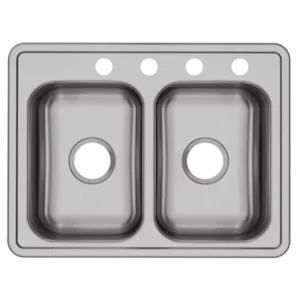

The kitchen sink stands as one of the hardest-working fixtures in your home, enduring countless dish-washing sessions, food preparation tasks, and daily wear that would destroy lesser appliances. When it comes to functionality and versatility, double bowl kitchen sinks reign supreme, offering the flexibility to multitask—washing dishes in one bowl while rinsing vegetables in the other, or soaking pots while maintaining a clean workspace. Stainless steel construction ensures durability, hygiene, and timeless appeal that complements virtually any kitchen style. Whether you're renovating your kitchen or building new, choosing the right double bowl sink involves understanding materials, installation types, and features that separate exceptional sinks from merely adequate ones.
Why Double Bowl Sinks Dominate Kitchens
Double bowl sinks have maintained popularity for decades because they solve real-world kitchen challenges elegantly. The dual-basin design allows true multitasking—you can fill one side with soapy water for washing while using the other for rinsing, soak a large pot in one bowl without losing access to your sink entirely, separate food preparation from cleanup tasks, dedicate one side to a garbage disposal while keeping the other pristine, and manage different tasks simultaneously when multiple people work in the kitchen.
For busy households, the efficiency gains are substantial. Parents can wash baby bottles in one side while cleaning dinner dishes in the other. Home cooks can thaw meat under running water in one bowl while washing vegetables in the second. The separation prevents cross-contamination and creates natural workflow organization that single bowl sinks simply cannot provide.
The configuration also offers practical benefits during sink maintenance or plumbing issues. If one drain clogs, you still have a functional basin. When deep-cleaning one side, the other remains available for basic tasks. This redundancy provides peace of mind that single bowl designs lack.
Understanding Stainless Steel Grades and Gauges
Not all stainless steel is created equal, and understanding the specifications determines whether your sink lasts decades or shows wear within years.
Gauge Thickness refers to the steel's thickness—counterintuitively, lower numbers mean thicker steel. The gauge dramatically affects durability, noise, and quality perception. Premium sinks use 16-gauge or 18-gauge stainless steel. Sixteen-gauge steel measures approximately 0.0625 inches thick and represents the gold standard for residential kitchen sinks. It's exceptionally durable, resists denting and flexing, dampens sound significantly, and maintains its shape under heavy use. This thickness feels substantial and premium when you interact with the sink daily.
Eighteen-gauge steel at 0.0500 inches thick offers excellent quality at a more accessible price point. It provides good durability for typical residential use, handles normal wear without issue, and costs less than 16-gauge while still outperforming thinner options. Most homeowners find 18-gauge perfectly adequate for their needs.
Twenty-gauge steel and thinner should generally be avoided in kitchen sinks. These thinner materials dent more easily, create more noise from water impact and dish contact, feel flimsy and less premium, and may flex noticeably under weight. While cheaper upfront, thin-gauge sinks often require earlier replacement, negating initial savings.
Stainless Steel Grade indicates the alloy composition. The most common designation is 304 stainless steel, also called 18/8 or 18/10 stainless. The numbers refer to chromium and nickel content—304 steel contains 18% chromium and 8-10% nickel. This composition provides excellent corrosion resistance, won't rust under normal kitchen conditions, resists staining from foods and minerals, and maintains appearance for decades. Premium kitchen sinks should always specify 304 stainless steel.
Some budget sinks use 201 stainless steel, which contains less nickel and more manganese. While marketed as stainless steel, 201 grade is more prone to corrosion, may rust in harsh water conditions, doesn't resist staining as effectively, and generally indicates lower quality construction. Avoid sinks that don't specify the steel grade—if manufacturers won't disclose the alloy, assume it's inferior quality.
T-304 Premium Stainless represents the highest quality residential sink material. The "T" designation indicates particularly pure alloy composition with tightly controlled specifications. These sinks command premium prices but justify the cost through exceptional longevity and performance.
Installation Types: Top Mount, Drop-In, and Undermount
The installation method affects both aesthetics and functionality, with each approach offering distinct advantages.
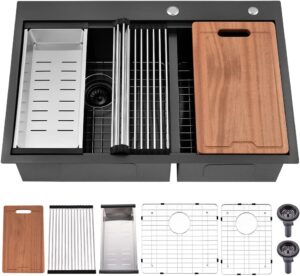
Top Mount (Drop-In) Installation represents the most common and accessible option. The sink drops into a cutout from above, with a rim or lip resting on the countertop surface. This installation method offers several advantages including easier installation that many DIYers can handle, compatibility with any countertop material including laminate, simpler replacement since you're not dealing with adhesives, and lower installation costs due to straightforward process.
The visible rim creates a defined border between sink and counter. Some homeowners appreciate this traditional look, while others prefer the seamless appearance of undermount installation. The rim can collect debris and requires regular cleaning around the edge. Water cannot be wiped directly from counter into sink—you must wipe around the rim.
Top mount sinks work particularly well with laminate countertops, which cannot accommodate undermount installation. They're ideal for budget-conscious renovations since installation doesn't require professional help. If you change sinks frequently or want flexibility, top mount offers the easiest swap-outs.
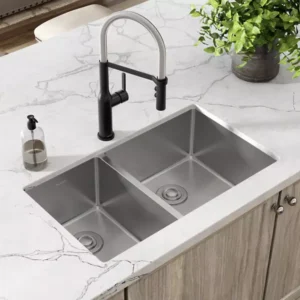
Undermount Installation attaches the sink beneath the countertop, creating a seamless transition from counter to sink. This contemporary installation has grown increasingly popular, offering distinct benefits including clean, modern aesthetic without visible rim, easy cleanup since you can wipe debris directly into sink from counter, more usable counter space without rim taking up area, and premium appearance that enhances kitchen value.
However, undermount installation requires countertop materials that can support the weight and exposure—granite, quartz, solid surface, or thick butcher block work well. Laminate countertops cannot accommodate undermount sinks. Professional installation is typically necessary, adding $100-300 to project costs. The sink must be properly sealed and supported to prevent water damage to countertop underside.
Undermount sinks showcase the countertop material beautifully since the edge is visible and polished. They work particularly well in contemporary and transitional kitchen designs where clean lines matter. The investment in installation pays dividends in daily convenience and aesthetic appeal.
Flush Mount Installation represents a less common but increasingly available option where the sink rim sits exactly level with the countertop. This provides some benefits of undermount installation while working with more countertop types. However, it requires precise cutting and installation, limiting DIY feasibility.
Double Bowl Configurations and Bowl Sizes
Not all double bowl sinks divide space equally, and the configuration significantly impacts functionality.
Equal Bowl Configuration features two bowls of identical size, typically each measuring 14-16 inches wide in a 33-inch sink. This balanced design offers maximum flexibility—either bowl can handle any task without limitations. It's ideal for households where both bowls see heavy use, for those who frequently wash large items in either bowl, and when you want perfect symmetry and balanced aesthetics.
The equal configuration works especially well in larger sinks (33 inches and up) where both bowls remain spacious. Some users find that neither bowl is quite large enough for their biggest pots and baking sheets, but the versatility usually outweighs this limitation.
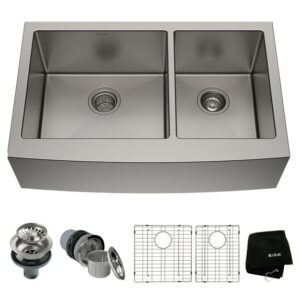
Offset Bowl Configuration features one larger and one smaller bowl, typically in ratios like 60/40 or 70/30. The larger primary bowl handles big pots, roasting pans, and major cleanup tasks. The smaller secondary bowl serves for garbage disposal, food prep, or quick rinses. This configuration offers practical advantages including one truly spacious bowl for large items, a secondary bowl that doesn't consume unnecessary space, often better use of overall sink dimensions, and clear task designation that creates natural workflow.
Many home cooks prefer offset configurations because the large bowl accommodates their biggest cookware while the small bowl handles auxiliary tasks efficiently. The asymmetry also creates visual interest that some find more appealing than perfect symmetry.
Low Divider vs. High Divider affects functionality significantly. Traditional high dividers extend to within an inch or two of the sink rim, creating complete separation between bowls. Low dividers stop 2-4 inches below the rim, allowing you to wash large items like baking sheets across both bowls while maintaining separation for typical tasks.
Low-divide sinks offer the flexibility of double and single bowl designs simultaneously. You can use them as double bowls for normal tasks or as one large space when needed. However, the low divider means water and debris can splash between bowls more easily. Some users also find the aesthetic less traditional or refined.
Depth Considerations for Comfort and Functionality
Bowl depth dramatically affects ergonomics and capability, making it a critical specification to evaluate.
Standard Depth (8-9 inches) accommodates most typical kitchen tasks comfortably. These depths handle large pots and baking sheets, reduce splashing during dishwashing, and provide adequate soaking space for cookware. Standard depth sinks work well for average-height users and typical residential applications. They represent the most common depth range and offer proven functionality for diverse tasks.
Deep Bowls (10-12 inches) provide extra capacity and splash reduction. The additional depth excels for filling large stockpots, soaking oversized items like canning pots or turkey roasters, and reducing splash and spray during vigorous dishwashing. Commercial-style kitchens often feature deeper sinks for their professional capabilities.
However, extra-deep sinks present ergonomic challenges for shorter users who must reach farther down, create more bending that can cause back strain during extended use, and may feel cavernous for everyday tasks. Consider your height and typical usage before choosing extremely deep bowls. Many users find 9-10 inches the sweet spot—notably deeper than old standard sinks without the ergonomic compromises of 11-12 inch depths.
Shallow Bowls (6-7 inches) occasionally appear in space-saving or design-focused sinks. While they create a sleek profile and work for bar sinks or secondary prep sinks, they're generally inadequate for primary kitchen sinks. Limited depth restricts what fits, increases splashing, and reduces soaking capacity.
Sound Dampening Technology
Quality stainless steel sinks incorporate sound-dampening features that dramatically improve the user experience.
Undercoating Pads applied to the sink's exterior absorb vibration and reduce noise from water impact and dish contact. Premium sinks feature thick rubber or composite pads covering the bowl bottom and sides. These pads serve multiple purposes including significant noise reduction from running water and clanging dishes, preventing condensation on the sink's exterior, adding insulation that maintains water temperature slightly longer, and indicating quality construction and attention to detail.
The difference between uncoated and well-coated sinks is remarkable—uncoated thin-gauge sinks create loud, tinny sounds that echo through the kitchen, while properly insulated sinks produce muffled, pleasant sounds that don't dominate the space. If kitchen noise concerns you, insulation makes a dramatic difference.
Multiple Layers of sound-dampening materials further reduce noise. Premium sinks may feature rubber padding plus a secondary stone coating or multiple rubber layers with different densities. These sophisticated systems approach the quiet performance of cast iron or composite sinks while maintaining stainless steel's other advantages.
When shopping, inquire specifically about sound-dampening features. Descriptors like "extra-thick undercoating," "stone composite backing," or "multi-layer sound dampening" indicate serious noise reduction. Budget sinks often skip undercoating entirely or use minimal padding, resulting in noticeably louder operation.
Drain Placement and Plumbing Considerations
Where drains sit within the bowls affects both aesthetics and functionality.
Rear Drain Placement positions drains toward the back of each bowl rather than centered. This configuration provides several advantages including more usable space in the bowl bottom for stacking dishes, easier access to the drain for cleaning, better compatibility with garbage disposals, and slightly improved water flow pattern.
Rear drains have become increasingly common in premium sinks as manufacturers recognize the practical benefits. The offset position allows dishes to stack more naturally without always covering the drain immediately.
Center Drain Placement represents traditional design with drains centered in each bowl. While this creates symmetry and works perfectly well, centered drains sometimes get covered by large items sitting in the bowl, potentially slowing drainage. The practical difference is minor, but rear placement offers a slight edge.
Drain Size matters for compatibility with garbage disposals and standard plumbing. Most quality sinks feature 3.5-inch drain openings, the standard residential size compatible with all disposals and standard drain assemblies. Some commercial-style sinks use larger 4-inch drains, which require specific components but offer improved flow for high-volume use.
Garbage Disposal Compatibility should be verified before purchase. Most double bowl sinks accommodate disposals in one or both bowls, but confirm that bowl depth and drain placement work with your intended disposal model. Some extremely deep or unusually configured sinks may create installation challenges with certain disposal units.
Finish Options and Maintenance Requirements
While all stainless steel offers inherent benefits, surface finishes affect appearance and maintenance.
Brushed Finish (Satin) represents the most popular option for good reasons. The subtle directional grain hides minor scratches and water spots beautifully, requires minimal maintenance to look good, complements virtually all kitchen styles, and offers a professional appearance that ages gracefully. Brushed finishes come in varying grain patterns from fine to coarse. Finer grains appear more refined and contemporary, while coarser grains hide wear even more effectively.
Mirror Polish Finish creates a highly reflective, chrome-like appearance. This dramatic finish offers stunning visual impact when perfectly clean and conveys luxury and high-end aesthetics. However, mirror finishes show every water spot, fingerprint, and minor scratch prominently, require constant wiping and polishing to maintain appearance, and may not suit busy kitchens where perfect maintenance isn't realistic. Mirror polish works best for design-focused kitchens where appearance receives priority or for those who enjoy frequent cleaning and maintenance.
Matte Finish provides an ultra-modern, low-sheen appearance. This increasingly popular option excels at hiding water spots and fingerprints, requires less frequent cleaning than other finishes, offers a distinctive contemporary aesthetic, and coordinates beautifully with modern appliance finishes. Matte finishes appeal to minimalists and those wanting cutting-edge style.
Maintenance Reality requires understanding that all stainless steel needs some care. Daily rinsing and wiping prevents mineral buildup. Weekly cleaning with mild soap and soft cloth maintains appearance. Occasional deeper cleaning with stainless steel cleaner removes stubborn spots. The finish you choose should match your actual maintenance habits—if you'll realistically clean daily, any finish works. If maintenance happens weekly, choose brushed or matte finishes that forgive the interim period.
Accessories and Added Functionality
Premium double bowl sinks often include or accommodate accessories that enhance functionality.
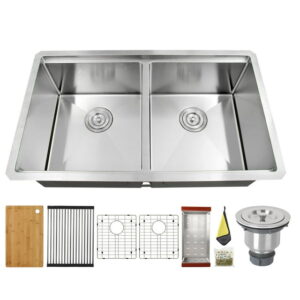
Bottom Grids (Sink Grids) are stainless steel racks that sit in the bowl bottom, elevating dishes slightly. These protective accessories prevent scratches from pots and pans sliding across the sink bottom, improve drainage by allowing water to flow beneath dishes, create air circulation that speeds drying, and protect both the sink surface and your cookware from damage. Quality sinks include custom-fitted grids or offer them as accessories. The minimal investment protects your sink investment significantly.
Cutting Boards designed to fit over one bowl create additional prep space when needed. These accessories transform part of your sink into temporary counter space, keep vegetable scraps contained since they can be swept directly into the bowl, and add versatility without permanent modifications. Look for hardwood or composite boards with non-slip feet that fit securely without sliding.
Colanders and Baskets that nest in the sink bowls facilitate rinsing produce, draining pasta, or thawing frozen items with water runoff going directly to drain. Custom-fitted accessories work better than universal options, seating securely without tipping or sliding.
Soap Dispensers built into the sink deck eliminate countertop clutter from dish soap bottles. Quality sinks include pre-drilled holes for soap dispensers (and sometimes a second hole for hand lotion or hand soap). The integrated look is cleaner and more professional than bottles sitting beside the sink.
Faucet Holes in sink decks vary—some sinks include faucet mounting holes while others leave the deck blank for undermount installation where the faucet mounts through the countertop. Verify that your chosen sink's hole configuration matches your faucet and installation type. Standard configurations include one hole for single-handle faucets, three holes for traditional two-handle faucets, and four holes adding a sprayer or soap dispenser.
Installation Considerations and Professional vs. DIY
Understanding installation requirements helps you budget accurately and avoid surprises.
Top Mount Installation DIY-Friendly appeals to capable homeowners. The process involves creating a sink template, cutting the countertop opening (if not already cut), applying silicone sealant to the sink rim, dropping the sink into place from above, securing with mounting clips underneath, and connecting plumbing and drain assemblies.
With basic tools and careful measurement, many DIYers successfully install top mount sinks. However, cutting countertops requires confidence with power tools and precision—mistakes are costly. If you're replacing an existing sink of identical size, installation becomes simpler since the opening already exists.
Undermount Installation Professional-Recommended involves more complexity. The sink must be supported from underneath while adhesive cures, typically requiring clamps or bracing. The countertop edge must be properly sealed to prevent water damage. Precise alignment ensures even spacing around the perimeter. Stone countertops require special silicone and epoxy formulations for secure bonding.
Unless you have experience with undermount installations, professional installation is wise. The $150-300 cost for professional installation prevents expensive mistakes and ensures warranty-compliant installation. Many sink warranties require professional installation to remain valid—verify this before attempting DIY to avoid voiding coverage.
Template Accuracy is critical for both installation types. Quality sinks include paper templates showing exact cutout dimensions. Follow these precisely, measuring multiple times before cutting. The adage "measure twice, cut once" applies tenfold to countertop modifications—errors cannot be easily corrected.
Support Requirements vary by sink size and weight. Large, deep sinks filled with water become very heavy. Ensure your cabinetry can support the load, particularly for undermount installations where the cabinet bears all weight. Some installations benefit from additional support bracing, especially with composite or stone countertops.
Size Selection for Your Space
Choosing the right sink dimensions ensures proper fit and optimal functionality.
Standard Sink Widths for double bowls include 33 inches (most common for standard base cabinets), 36 inches (provides roomier bowls), and 42 inches (for larger kitchens with spacious cabinetry). The sink width should be 2-3 inches narrower than your sink base cabinet—a 33-inch sink requires a 36-inch base cabinet minimum.
Measuring your existing cabinet (or planned cabinet) comes first. Measure the interior width of the cabinet, not the exterior or door width. Subtract 2-3 inches to determine maximum sink width. Don't push these limits—allowing adequate clearance prevents installation problems and ensures access for plumbing.
Depth (Front to Back) typically ranges from 18 to 22 inches for double bowl sinks. Deeper sinks provide more workspace but require deeper base cabinets. Standard base cabinets accommodate sinks up to 22 inches deep, but verify your specific cabinet dimensions.
Bowl Width results from overall sink width minus the divider and rim thicknesses. In a 33-inch sink with equal bowls, each bowl might be 14-15 inches wide. In a 36-inch sink, bowls gain an inch or two of width. Consider what you typically wash—if you regularly clean large roasting pans or baking sheets, larger bowl dimensions make daily life easier.
Measuring for Replacement requires accuracy when swapping an old sink. Measure the existing cutout carefully—length, width, and depth. If replacing top mount with top mount, matching these dimensions simplifies installation. If switching from top mount to undermount or vice versa, you may need countertop modifications.
Budget Considerations and Value Analysis
Double bowl stainless steel sinks span a wide price range, each tier offering different value propositions.
Budget Sinks ($100-200) provide basic functionality with compromises. Expect 20-22 gauge steel (thinner, less durable), minimal or no sound dampening (louder operation), simpler finishes without premium options, shorter warranties of 1 year or limited lifetime, and basic construction without refined details. These sinks work for rental properties, temporary installations, or very tight budgets. They'll function adequately but may show wear sooner and feel less substantial.
Mid-Range Sinks ($200-400) represent the sweet spot for most homeowners. This tier typically delivers 18-gauge stainless steel (good durability), adequate sound dampening with undercoating, quality 304 stainless steel composition, limited lifetime warranties, and thoughtful design with useful features. Most households find their ideal sink in this range, balancing quality with reasonable cost. These sinks typically last 15-20 years with proper care.
Premium Sinks ($400-700+) offer top-tier construction and features including 16-gauge steel (exceptional durability), extensive multi-layer sound dampening, premium finishes including hand-crafted options, comprehensive lifetime warranties, innovative features like low dividers or specialized coatings, and refined aesthetics with attention to every detail. These sinks suit serious home chefs, design-focused renovations, high-end homes where quality matters most, and those planning to stay in their homes long-term who want an investment that lasts decades.
Value Calculation should consider lifespan and daily satisfaction. A $300 mid-range sink lasting 18 years costs about $17 per year. A $150 budget sink replaced after 8 years costs $19 per year while delivering inferior daily experience. The modest price difference becomes negligible when amortized across years of use, while the quality difference affects daily satisfaction significantly.
Environmental and Health Considerations
Stainless steel sinks offer inherent environmental and health advantages.
Sustainability makes stainless steel an eco-friendly choice. The material is 100% recyclable with no quality loss—old sinks can be melted down and reformed indefinitely. Stainless steel production increasingly uses recycled content, reducing environmental impact. The longevity of quality sinks means less frequent replacement, keeping products out of landfills. Unlike composite materials, stainless steel doesn't degrade into microplastics or release compounds over time.
Hygiene is inherently superior with stainless steel. The non-porous surface doesn't harbor bacteria in tiny cracks or crevices. Stainless steel naturally resists bacterial growth—studies show bacteria die within hours on stainless surfaces. The material tolerates harsh cleaning and sanitizing without damage. You can use bleach, disinfectants, or high-heat water without concern. For households with immunocompromised members or those prioritizing kitchen hygiene, stainless steel provides peace of mind.
Chemical Safety is assured since quality stainless steel is inert and doesn't leach substances into water or food. Unlike some composite materials that may contain resins or binding agents, stainless steel is simply metal alloy with no questionable additives. This purity matters for health-conscious households concerned about chemical exposures.
Water Conservation is supported by efficient sink design. Double bowls allow water-saving practices like filling one side for washing rather than running water continuously. Quality drains ensure efficient flow without clogs that waste water.
Common Problems and How to Avoid Them
Understanding potential issues helps you choose wisely and maintain your sink properly.
Scratching and Damage concerns many stainless steel sink buyers. While stainless steel does scratch, proper gauge selection and care minimize this. Sixteen and 18-gauge sinks resist scratching far better than thinner options. Using sink grids prevents most scratches from pots and pans. Avoiding abrasive scrubbers protects the finish. Brushed finishes hide minor scratches that would show prominently on mirror polish.
Quality stainless steel develops a patina over years that many find appealing—fine scratches blend into an overall aged appearance rather than standing out. This natural aging is part of stainless steel's character.
Water Spots and Staining appear on all stainless steel but vary by finish and water quality. Hard water leaves mineral deposits that create spotting. Brushed and matte finishes hide spots better than mirror polish. Simple prevention includes rinsing and drying the sink after use, wiping with a microfiber cloth to prevent mineral buildup, and occasionally cleaning with white vinegar to remove deposits.
Stubborn staining from rust particles (usually from other metal objects left in the sink) can be removed with Bar Keeper's Friend or similar oxalic acid cleaners. True stainless steel won't rust itself, but rust from other items can transfer and create stains.
Noise Issues plague poorly constructed sinks. This is entirely avoidable by choosing sinks with proper sound dampening. Before purchasing, check specifications for terms like "sound deadening pads," "undercoating," or "insulation." Customer reviews often mention if a sink is notably noisy. Spending slightly more for adequate dampening pays dividends in daily comfort.
Sizing Mistakes cause installation nightmares. This is easily prevented by careful measurement before ordering. Measure your cabinet interior, not exterior. Verify cutout dimensions if replacing an existing sink. When in doubt, consult installation guides or professionals. Returning a sink due to size mistakes incurs shipping costs and delays projects.
Quality Misrepresentation happens when sellers use vague terms or don't specify gauge and grade. Protect yourself by insisting on specific specifications—"18-gauge 304 stainless steel," not just "heavy-duty stainless." Buy from reputable retailers and manufacturers who stand behind their products. Read customer reviews for reports of quality issues or misrepresented specifications.
Final Thoughts
Selecting the best double bowl stainless steel kitchen sink represents an investment in daily functionality and long-term satisfaction. The ideal sink balances construction quality through appropriate gauge and grade stainless steel, installation type matching your countertop and aesthetic preferences, configuration and dimensions suiting your actual usage patterns, sound dampening for pleasant operation, and price reflecting true value over years of service.
Don't let the array of options overwhelm you—focus on the fundamentals first. Ensure the sink is genuine 304 stainless steel in 16 or 18-gauge thickness. Verify it fits your cabinet and countertop configuration. Confirm it includes sound dampening if noise concerns you. Beyond these core requirements, additional features and aesthetics become personal preference.
Whether you choose top mount installation for its simplicity and versatility or undermount for its contemporary seamlessness, whether you select equal bowls for maximum flexibility or an offset configuration for task-specific sizing, you're investing in a fixture that will serve your household thousands of times. A quality double bowl stainless steel sink provides decades of reliable service, handling everything from daily dish duty to holiday feast cleanup without complaint. By choosing thoughtfully based on your specific needs rather than just price or appearance, you'll find a sink that truly enhances your kitchen's functionality and becomes an effortless part of your daily routine for years to come.