
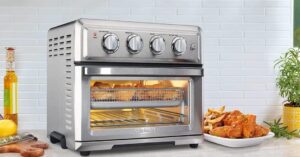
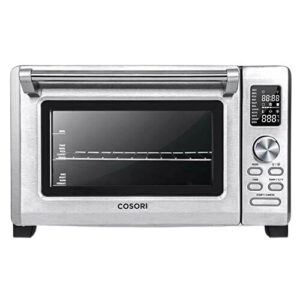
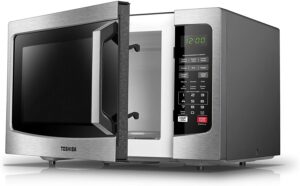
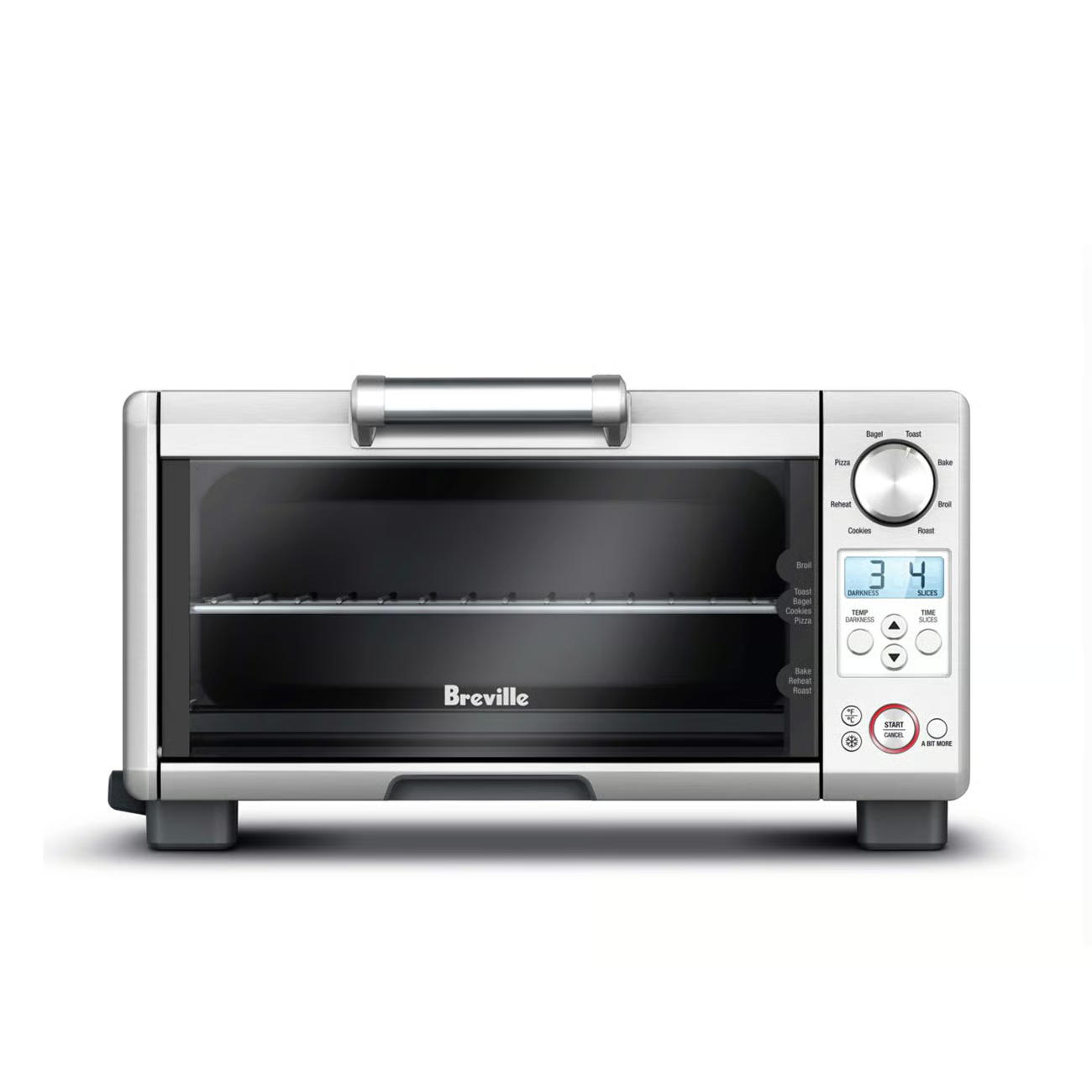
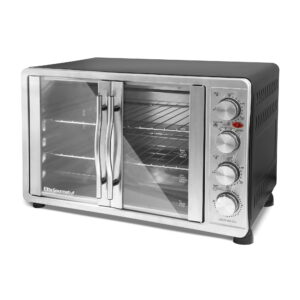
The kitchen appliance landscape has undergone a remarkable transformation in recent years, with countertop ovens evolving from simple toaster ovens into sophisticated cooking powerhouses. Today's best models rival full-size ovens in capability while occupying a fraction of the space, heating up in minutes rather than the 15-20 minutes traditional ovens require, and delivering crispy, evenly cooked results that sometimes surpass their full-size counterparts. For apartment dwellers, small kitchen owners, empty nesters, or anyone seeking cooking efficiency, modern countertop ovens represent one of the smartest appliances you can add to your kitchen arsenal.
The Countertop Oven Revolution
Traditional ovens have remained largely unchanged for decades—large, slow to preheat, energy-intensive boxes that heat your entire kitchen along with your food. Countertop ovens challenge this paradigm by concentrating heat in a smaller, well-insulated space with precision controls that full-size ovens rarely match.
The advantages extend beyond mere convenience. Countertop ovens typically preheat in 3-5 minutes versus 15-20 for conventional ovens, saving time on every use. Their compact size means less air to heat, translating to significant energy savings—often using 50-70% less electricity than heating a full-size oven for small meals. The focused heating environment often produces superior results for certain foods, particularly anything requiring crispiness like roasted vegetables, chicken wings, or reheated pizza.
During hot weather, countertop ovens keep your kitchen comfortable by generating far less ambient heat than full-size ovens. This overlooked benefit makes summer cooking dramatically more pleasant. For households that cook for one or two people regularly, countertop ovens eliminate the wastefulness of heating a massive oven for a single chicken breast or a few cookies.
The technology has advanced remarkably. Modern countertop ovens incorporate convection systems rivaling commercial equipment, precise digital temperature controls maintaining accuracy within a few degrees, multiple heating elements positioned for optimal heat distribution, and smart features including preset cooking programs and even WiFi connectivity in premium models.
Understanding Countertop Oven Technologies
Several cooking technologies dominate the countertop oven market, each offering distinct advantages.
Convection Technology uses a fan to circulate hot air continuously throughout the cooking chamber. This moving air transfers heat more efficiently than still air, creating several benefits including faster cooking times (typically 25% faster than conventional), more even heating with fewer hot or cold spots, superior browning and crisping due to constant air movement removing moisture from food surfaces, and ability to cook multiple trays simultaneously with consistent results.
Quality convection systems use powerful fans and strategic element placement to ensure truly even air circulation. Budget models sometimes include fans that barely move air, providing minimal benefit. The difference between genuine convection and token fan inclusion is dramatic in actual cooking performance.
Air Frying Capability has become nearly universal in modern countertop ovens. Air frying is essentially supercharged convection—extremely high heat combined with very rapid air circulation. This produces the crispy, golden exterior associated with deep frying but using little or no oil. The health benefits are substantial since foods contain dramatically less fat while maintaining satisfying texture and flavor.
The best countertop ovens integrate air frying as one function among many rather than being dedicated single-purpose air fryers. This versatility means one appliance handles baking, roasting, air frying, toasting, and more—eliminating the need for multiple single-function devices cluttering your kitchen.
Infrared and Quartz Heating Elements appear in premium models, providing instant-on heat that responds immediately to temperature adjustments. Unlike traditional coil elements that take time to heat and cool, infrared elements reach full temperature nearly instantly and shut off just as quickly. This responsiveness improves temperature accuracy and energy efficiency while reducing preheat times even further.
Dual Heat Zones in advanced models allow different temperatures in different areas of the oven simultaneously. Some units can run the top elements hotter for browning while maintaining lower bottom heat for gentle cooking—essentially giving you professional-level control in a countertop format.
Size and Capacity Considerations
Countertop ovens range from compact toaster-oven-sized units to substantial models approaching half the capacity of full-size ovens.
Compact Models (0.5-0.7 cubic feet) suit individuals, couples, or those with extremely limited counter space. These typically accommodate 4-6 slices of toast, a 9-inch pizza, or a small whole chicken. They excel for reheating, toasting, and preparing single servings. The footprint measures roughly 15-17 inches wide and 10-12 inches deep—similar to a microwave.
While space-efficient, compact models limit what you can cook. Large casserole dishes, full-size baking sheets, or substantial roasts won't fit. If you primarily reheat and toast with occasional small-batch cooking, compact models serve perfectly. For more ambitious cooking, they feel constraining.
Mid-Size Models (0.8-1.0 cubic feet) represent the sweet spot for most households. These accommodate a 12-inch pizza, 6-8 slices of toast, or a 4-5 pound chicken. Standard 9x13-inch baking pans fit comfortably. The footprint typically measures 18-20 inches wide and 12-14 inches deep—still manageable on most counters while providing genuine cooking versatility.
This size range handles the vast majority of typical cooking tasks. You can bake a batch of cookies, roast a whole chicken for dinner, or prepare a casserole for family meals. The capacity suits small families or couples who cook regularly, while the size doesn't dominate kitchen counters.
Large Models (1.0-1.2 cubic feet) approach the capabilities of full-size ovens while remaining countertop appliances. These handle 13-inch pizzas, a 6-pound chicken, or multiple dishes simultaneously. Some accommodate full-size baking sheets or even small turkeys. Dimensions typically reach 20-22 inches wide and 15-18 inches deep.
Large countertop ovens suit families, serious home cooks, or those considering replacing their full-size oven entirely. The substantial capacity handles dinner parties, holiday cooking, and ambitious baking projects. However, the footprint requires significant counter space—measure carefully to ensure your kitchen can accommodate the size.
Interior Height matters as much as width and depth. Taller interiors accommodate thicker items like standing roasts, tall casserole dishes, or layer cakes. Check interior height specifications if you plan to cook taller items—many models sacrifice height to maintain a low profile, limiting what fits inside.
Key Features That Define Performance
Several features separate exceptional countertop ovens from mediocre ones.
Temperature Range and Accuracy determine cooking versatility and results. Quality ovens offer ranges from approximately 150°F for dehydrating or warming to 450-500°F for high-heat roasting and air frying. The best models maintain selected temperatures within 5-10 degrees, while cheaper units fluctuate by 25-50 degrees, causing uneven cooking.
Digital controls with precise temperature selection provide better results than simple dial controls. The ability to adjust in 5 or 10-degree increments lets you fine-tune cooking for optimal results. Some premium models include actual temperature probes that monitor internal air temperature continuously, adjusting element output to maintain precise settings.
Multiple Rack Positions increase versatility dramatically. Basic models include one or two rack positions, limiting flexibility. Better ovens offer three or more positions, allowing you to adjust food proximity to heating elements. This matters—positioning food closer to top elements increases browning, while lower positions provide gentler cooking. Multiple positions also enable cooking multiple items at different heights simultaneously.
Included Accessories affect immediate usability and value. Quality countertop ovens should include a wire rack, baking pan or tray, and crumb tray at minimum. Premium models add air frying baskets, pizza stones, rotisserie attachments, or dehydrating racks. These accessories are often expensive to purchase separately—models including comprehensive accessory sets offer better overall value.
Cooking Presets and Functions provide convenient one-touch operation for common tasks. Useful presets include toast with darkness settings, bagel mode heating top elements more than bottom, pizza optimized for crispy crust with melted toppings, air fry with appropriate temperature and fan speed, bake for standard baking tasks, roast with convection for meats and vegetables, broil using top elements at maximum heat, dehydrate at low temperatures with continuous air circulation, and warm for holding food at serving temperature.
The best implementations allow customization of presets—you can adjust the default pizza temperature if you prefer your crust more or less done, then save that setting. Avoid ovens with so many obscure presets they create confusion—a dozen well-designed functions beats thirty confusing options.
Timer Functionality varies from basic mechanical timers to sophisticated programming. Quality digital timers should allow settings up to several hours for slow cooking or dehydrating. The best timers include auto-shutoff when time expires to prevent overcooking. Some advanced models even include delayed start functions, though this is less critical in ovens than slow cookers since food safety concerns limit its usefulness.
Interior Lighting seems minor until you own an oven without it. Internal lights let you monitor cooking progress without opening the door and releasing heat. This is particularly valuable for baking where opening the door can cause cakes or soufflés to fall. Most quality ovens include lighting that activates when the oven operates.
Easy-Clean Interiors prevent maintenance from becoming burdensome. Non-stick interior coatings simplify cleanup but may have durability concerns—some coatings degrade at high temperatures or with harsh cleaning. Stainless steel or coated steel interiors without non-stick claims often prove more durable long-term. Removable crumb trays that slide out from the front make cleaning up drips and crumbs simple. Ovens requiring you to flip them over to clean the crumb tray become annoying quickly.
Cooking Performance Expectations
Understanding what countertop ovens do exceptionally well versus their limitations sets realistic expectations.
Where They Excel includes toasting and reheating—countertop ovens produce far superior results to microwaves for items that should be crispy. Pizza, leftover fried foods, and bread products emerge hot and crispy rather than soggy. Air frying provides the texture of deep frying with minimal oil—perfect for wings, fries, vegetables, and more. Small-batch baking for cookies, muffins, or small cakes works beautifully with faster preheating and more focused heat.
Roasting small proteins like chicken breasts, pork chops, or fish produces excellent results, often with better browning than full-size ovens due to proximity to heating elements. Vegetable roasting particularly benefits from convection heat, creating caramelization and crispiness that transforms simple vegetables into gourmet sides. Meal prep for one or two people becomes more efficient—it's absurd to heat a full-size oven for two chicken breasts.
Where They Have Limitations includes large-batch cooking since capacity simply doesn't match full-size ovens. Holiday turkeys, multiple casseroles simultaneously, or cooking for crowds still requires traditional ovens. Serious bread baking benefits from the thermal mass and steam injection capabilities of full-size ovens that countertop models cannot match. Very large items like big roasts or whole fish may not fit comfortably.
Temperature recovery after opening the door is slower in countertop ovens due to smaller heating elements and less thermal mass. This rarely matters for most cooking but can affect recipes requiring frequent door opening. Some baked goods, particularly delicate items like soufflés or certain pastries, perform better in the stable environment of a quality full-size oven.
Realistic Usage Patterns for most owners include daily use for reheating, toasting, and small meals, with the full-size oven reserved for large-batch cooking, holidays, and entertaining. Many owners report using their countertop oven 80-90% of the time, turning on their full-size oven only when capacity demands it. This shift produces substantial energy savings and cooking convenience.
Energy Efficiency and Operating Costs
The energy savings from countertop ovens add up significantly over time.
Power Consumption for countertop ovens typically ranges from 1200-1800 watts. While this seems substantial, they operate for shorter periods due to rapid preheating and faster cooking. A typical cooking cycle might use 0.3-0.7 kWh of electricity. Compare this to full-size ovens consuming 2000-5000 watts for longer periods due to extended preheat times and slower cooking, typically using 1.5-2.5 kWh for similar tasks.
Cost Analysis reveals meaningful savings. At average U.S. electricity rates of $0.13 per kWh, using a countertop oven for tasks that would otherwise require a full-size oven saves roughly $0.15-0.25 per use. If you replace even half of your full-size oven usage with a countertop model, annual savings typically reach $30-60. Over the oven's lifespan, this offsets the purchase price partially or entirely while delivering convenience benefits.
Environmental Impact extends beyond personal savings. Reduced electricity consumption decreases carbon emissions from power generation. The efficiency gains are substantial enough that countertop ovens represent a genuinely eco-friendly cooking choice. For environmentally conscious consumers, this efficiency provides an additional reason to embrace countertop cooking.
Heat Generation affects summer comfort significantly. Full-size ovens dump tremendous heat into your kitchen, forcing air conditioning to work harder. Countertop ovens generate far less ambient heat, keeping kitchens comfortable. This indirectly saves energy by reducing cooling costs during warm months.
Safety Features and Considerations
Quality countertop ovens incorporate multiple safety features protecting users and homes.
Auto-Shutoff is essential, turning the oven off after a set period or when cooking completes. This prevents the oven from running indefinitely if you forget about it—a real concern in busy households. Look for ovens that clearly indicate when auto-shutoff has occurred so you know whether food has been kept warm or if the oven turned off.
Cool-Touch Exteriors prevent burns from accidental contact. Quality ovens use double-wall construction or insulation to keep outer surfaces touchable even during high-temperature cooking. This is particularly important if you have children or if the oven sits where people might brush against it. Cheaper ovens with single-wall construction become dangerously hot on all exterior surfaces.
Overheat Protection monitors internal temperature and shuts down the oven if it exceeds safe limits. This failsafe prevents fires or damage if the temperature sensor malfunctions or if something goes wrong during operation. Quality brands include this protection; budget models sometimes omit it.
Stay-Cool Handles and Knobs remain touchable during operation. Handles should be positioned away from the oven body with insulating materials. Knobs and buttons should not conduct heat from the oven interior. Test these by touch in reviews or store displays—some models have handles that become uncomfortably hot during use.
Stable Base and Anti-Tip Design prevents the oven from tipping forward when the door opens or if bumped. Quality ovens have sufficient weight and base design to remain stable. Lighter, cheaper models can tip forward when you open the door, especially if they sit on smooth counters without adequate friction.
Electrical Safety Certifications from UL (Underwriters Laboratories), ETL, or equivalent organizations verify the oven meets safety standards for electrical appliances. These certifications appear on the product packaging or specification sheet. Never purchase countertop ovens lacking proper safety certifications—the fire and shock risks aren't worth any savings.
Placement and Kitchen Integration
Successfully integrating a countertop oven requires thoughtful placement.
Counter Space Requirements extend beyond just the oven's footprint. Most manufacturers specify clearance requirements—typically 3-5 inches on sides and back, plus 10-12 inches above for heat dissipation. Measure your available counter space accounting for these clearances. Cramping an oven against walls or beneath cabinets creates fire hazards and may void warranties.
Heat-Resistant Surfaces are essential beneath the oven. Most countertops handle this fine, but verify that your surface can tolerate the heat. Avoid placing ovens on heat-sensitive materials without an appropriate buffer. Never place countertop ovens on top of other appliances like refrigerators or microwaves without manufacturer approval.
Outlet Accessibility matters since countertop ovens draw significant power. They should plug directly into wall outlets, not power strips or extension cords which can overheat under the load. Ensure your selected location has a properly grounded outlet within the cord's reach (typically 2-3 feet). Some users need to rearrange their counter layout or have additional outlets installed to safely accommodate their oven.
Visibility and Workflow affect how much you'll actually use the oven. Placement within easy reach of your primary work area encourages use, while tucking the oven in a corner makes it feel less accessible. If you plan to use the oven frequently, treat it as a primary appliance deserving of prime placement, not an afterthought tucked wherever it fits.
Ventilation Considerations are less critical than with full-size ovens but still matter. Countertop ovens release some steam and heat. Ensure adequate air circulation around the unit. If you have particularly sensitive smoke detectors nearby, be aware that the oven might occasionally trigger them during high-heat cooking, especially when food drippings smoke.
Aesthetic Integration varies by model. Some countertop ovens embrace retro styling with chrome and curves, others feature sleek stainless contemporary designs, and some are frankly utilitarian in appearance. If the oven will sit prominently on your counter, choose a design you find attractive. If it will be tucked away or if appearance doesn't concern you, prioritize function over form.
Maintenance and Longevity
Proper care extends your countertop oven's life and maintains performance.
Daily Maintenance requires minimal effort. After the oven cools, wipe interior surfaces with a damp cloth to remove food particles and grease. Empty the crumb tray—this prevents accumulated crumbs from smoking during subsequent uses or attracting pests. Wipe exterior surfaces to remove fingerprints and spills. This quick routine prevents buildup that becomes harder to clean later.
Deep Cleaning every few weeks keeps the oven functioning well. Remove racks and accessories, washing them in soapy water. For baked-on residue inside the oven, apply baking soda paste to spots, let sit briefly, then scrub gently with non-abrasive pads. Avoid harsh chemicals unless your oven's manual specifically allows them—some cleaners can damage heating elements or interior coatings.
For glass doors, standard glass cleaner works well on the exterior. For interior glass cleaning, make a paste of baking soda and water, apply, let sit, then wipe clean. This removes baked-on grease without scratching.
Element Care requires attention. Heating elements should be cleaned occasionally by wiping with a slightly damp cloth when completely cool. Avoid getting elements excessively wet. Don't use abrasive scrubbers on elements as damage can affect performance or create fire hazards. Many elements are partially self-cleaning—running the oven at high temperature burns off some residue naturally.
Common Issues and Solutions include uneven heating often caused by food debris blocking fan vents or covering heating elements. Clean these areas to restore even cooking. Door not sealing properly results from worn gaskets or damaged hinges—check the door gasket for wear and ensure hinges operate smoothly. Temperature inaccuracy over time may require professional calibration or indicate sensor failure—contact the manufacturer if your oven consistently over or undercooks.
Lifespan Expectations for quality countertop ovens typically reach 5-8 years with regular use. Premium models from established brands often last 10+ years. Budget models may fail within 2-3 years, particularly with heavy use. Consider this when evaluating price—a $200 oven lasting 7 years costs less annually than a $100 oven replaced every 2 years, while providing better performance throughout.
Brand Reputation and Warranty Considerations
Brand choice significantly affects satisfaction and long-term value.
Established Appliance Brands like Breville, Cuisinart, KitchenAid, and Oster bring decades of experience and generally deliver reliable products. They typically offer comprehensive warranties, accessible customer service, and widespread availability of accessories and replacement parts. Their products command premium prices but justify costs through superior build quality and performance.
Emerging Brands particularly in the air fryer and convection oven space have introduced innovative features at competitive prices. Some deliver excellent value, while others sacrifice quality for market share. Research customer reviews carefully with emerging brands—look for patterns of reliability issues or customer service problems before committing.
Warranty Coverage varies dramatically. Basic warranties cover 1 year for defects in materials and workmanship. Better warranties extend to 2-3 years or offer different coverage periods for different components (longer for heating elements, shorter for accessories). The best warranties include some period of no-questions-asked replacement if you're unsatisfied.
Read warranty terms carefully. Some exclude normal wear and tear so broadly that almost any failure gets excluded. Others require you to pay return shipping for warranty service, adding expense to claiming warranty coverage. Warranties requiring professional installation for validation are irrelevant for countertop ovens but watch for other unreasonable conditions.
Customer Service Quality becomes crucial if issues arise. Brands with U.S.-based customer service typically resolve problems faster and more satisfactorily than those routing inquiries overseas. Check whether the company provides phone support, just email, or merely directs you to retailers. Quality brands stand behind their products with accessible, helpful service.
Special Use Cases and Niche Applications
Certain scenarios make countertop ovens particularly valuable.
RV and Tiny Home Living where space is at absolute premium, a countertop oven may serve as your primary cooking appliance. Choose models with the largest capacity your space allows and prioritize multiple functions to eliminate need for other appliances. Consider power consumption relative to your electrical system—some RV electrical systems struggle with high-wattage appliances.
College Dorms and Apartments often prohibit full-size ovens but allow countertop models. A quality countertop oven transforms dorm cooking from microwave-only to genuinely preparing real meals. This promotes healthier eating and saves money versus dining out. Compact models suit most dorms, while apartment dwellers can accommodate mid-size units.
Office Kitchens and Break Rooms benefit from countertop ovens providing better lunch reheating than microwaves. They can also facilitate simple office meal prep. Models with shorter cooking times and clear controls suit shared environments where many people with varying technical comfort will use them.
Elderly or Disabled Users may find countertop ovens easier and safer than bending to use full-size ovens. Counter-height controls and viewing windows reduce strain. For those with limited mobility, a countertop oven positioned at comfortable height improves cooking independence and safety.
Seasonal or Vacation Homes sometimes don't warrant full-size ovens if usage is limited. A quality countertop oven handles occasional cooking needs without the expense and space of traditional ovens. The long periods between uses don't harm quality countertop ovens as they would some appliances.
Final Thoughts
The best countertop ovens have evolved into legitimate cooking appliances that rival and sometimes surpass full-size ovens for many tasks. They offer genuine versatility handling everything from morning toast to evening roasted chicken, deliver faster cooking through rapid preheating and efficient convection, produce superior results particularly for foods requiring crispiness, save substantial energy compared to heating full-size ovens for small meals, and free up valuable oven capacity during holidays when you need to cook multiple dishes.
Choosing your ideal countertop oven starts with honest assessment of your cooking patterns, available counter space, and budget. Prioritize capacity adequate for your typical cooking needs without oversizing. Ensure the model includes genuine convection for even cooking and air frying capability for maximum versatility. Verify adequate temperature range and accuracy for your cooking ambitions. Look for sound construction with appropriate safety features and meaningful warranties.
Whether you're outfitting a small apartment, seeking cooking efficiency in a large home, or anywhere between, modern countertop ovens deliver remarkable performance in compact packages. They represent one of the most practical kitchen investments available—appliances you'll genuinely use daily that pay dividends in convenience, energy savings, and cooking quality. The right countertop oven doesn't just save space; it transforms how you cook by making excellent results fast, easy, and accessible every single day.